
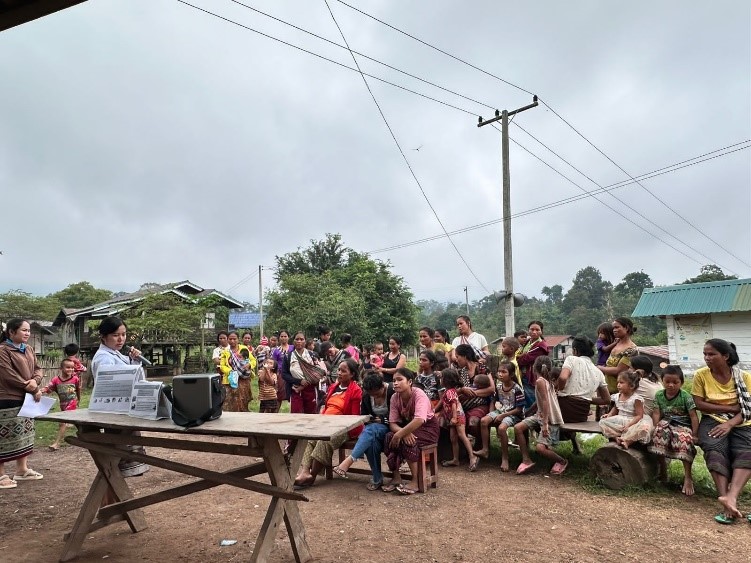
The intervention component is led by HI and CHIAS based on the research results (epidemiological survey and qualitative research) produced by IRD/ECC and UHS.
The research results served as a basis to develop an intervention model with a participatory approach as several partners were involved in the design of the strategy. Indeed, IRD, HI and CHIAS created a Technical Committee and invited representatives from CMPE, NTC, CHAS, DCDC, MCHC, UHS and Lao TPHI faculty, to discuss the research results and to develop collaboratively an intervention model for improving the integration of HIV, TB, and malaria prevention, screening, and management into the health system, especially for mothers and adolescents at village level. The technical committee members developed a Mobile Health Education Package (MHEP) that includes guidelines, tools and communication products related to data management, education and treatment, screening entry points, mobile clinics/outreach, referral system for the patients affected, evidence-based practices.

HI and CHIAS recruited a communication agency that worked with the technical committee to design, contextualize and test the communication products of the MHEP (e.g. posters, key messages about HIV prevention, etc.). To ensure that the messages are well understood by the communities, the communication agency tested the communication products at village level.
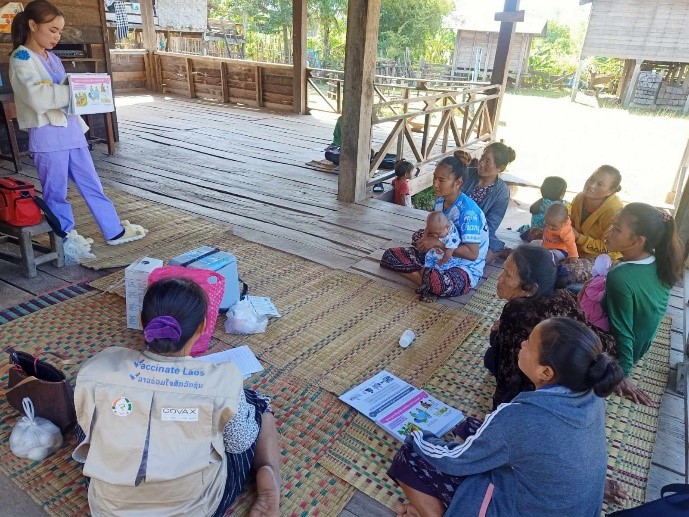
The MHEP was used by 123 village health workers (VHWs) and by mobile clinic staff. Before to implement the MHEP in the 123 target villages of Phine and Thapanthong districts, the VHWs were recruited by the head of villages and MoH. Once recruited the VHWs but also the mobile clinic staff from the health district were trained on the Social Behavioral Change Communication (SBCC) Techniques, the use of the MHEP and the way to deliver messages to communities and especially to the women and adolescents.
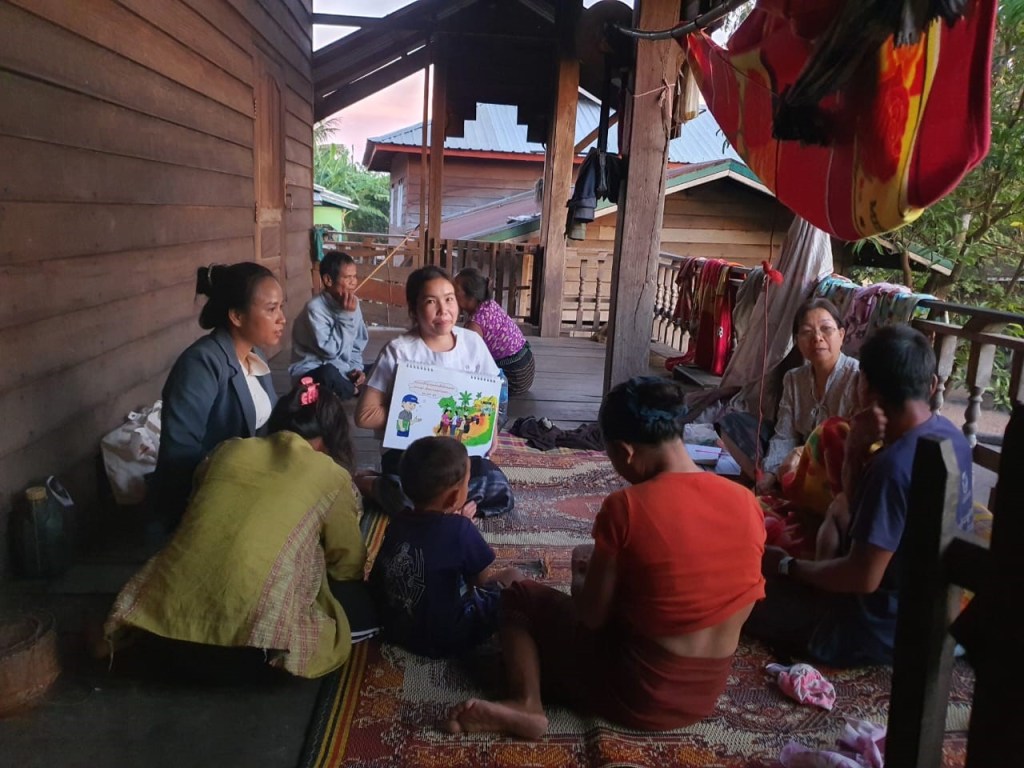
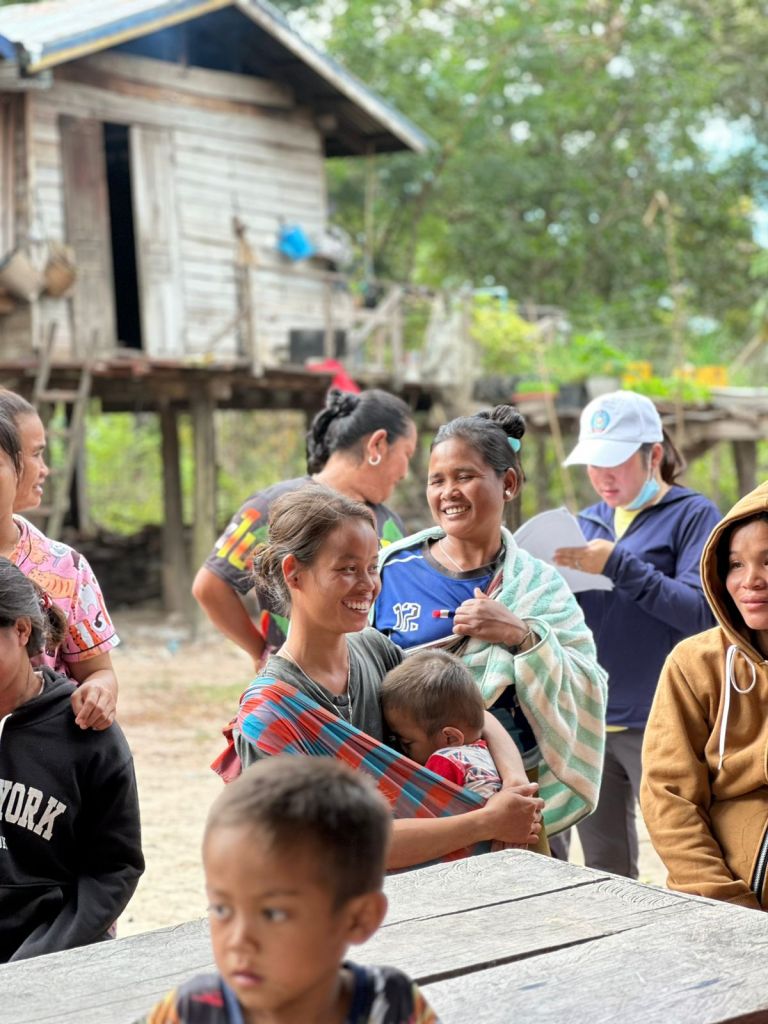
The MHEP was piloted during (1) mobile clinics activities but also during (2) monthly household education visits. VHWs and mobile clinic staff use the MHEP with mothers, children, and adolescents attending the mobile clinics, particularly while waiting for the various medical services. VHWs use the MHEP as a tool to disseminate health messages during regular household visits every month. This activity will promote equal sharing of health education messages with males and females and will target harder to reach mothers, children, and adolescents who might not attend the mobile clinics, but are at their homes.
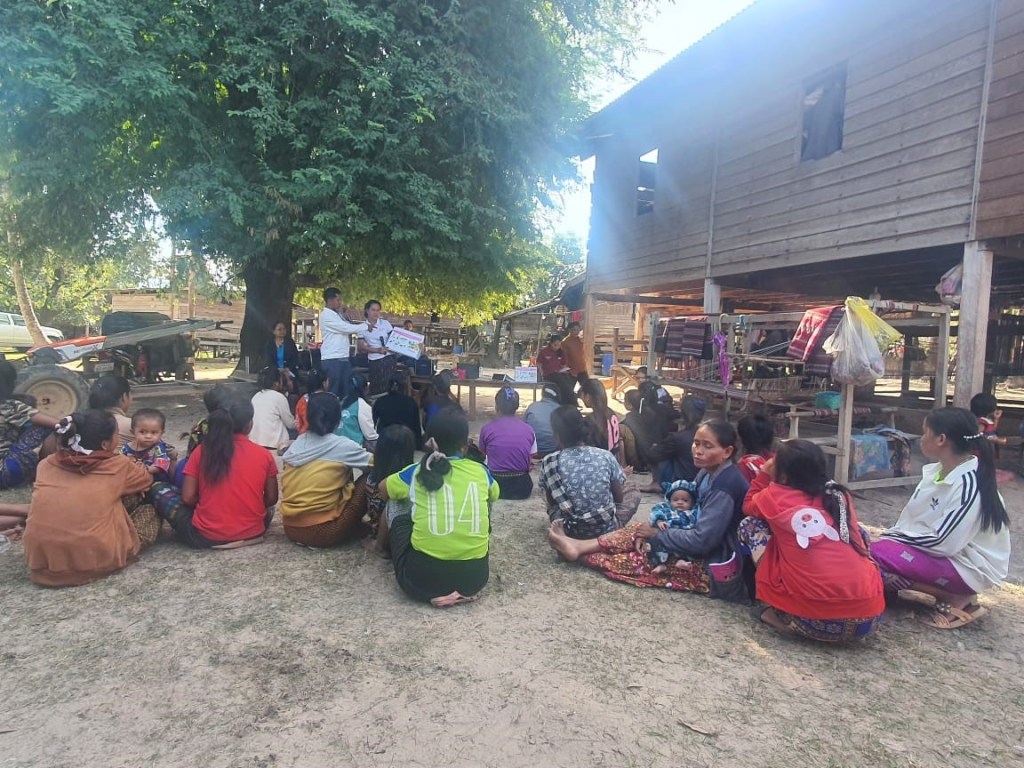
And last, but not least, HI and CHIAS with health districts provide test for the target population through mobile clinics (option 1) or at health center (option 2) according to the option decided by the Executive Committee and based on the recommendation from the Technical Committee.

 HEALTH Project