
NEED ASSESSMENT
The districts of Phine and Thapanthong are the target districts of the HEALTH Project. Our main criteria for selecting the districts of the HEALTH project are a low level of access to general health service, to maternal and primary health services, a need for improving the level of health education of the local population, areas where population are more at risk to be affected by the three diseases (HIV, TB , Malaria), an environmental influence considered as favorable to implement the project (district considered as a priority by the Provincial Department of Health and the Communicable Diseases Center and a good cooperation from the local authorities).
EPIDEMIOLOGICAL SURVEY
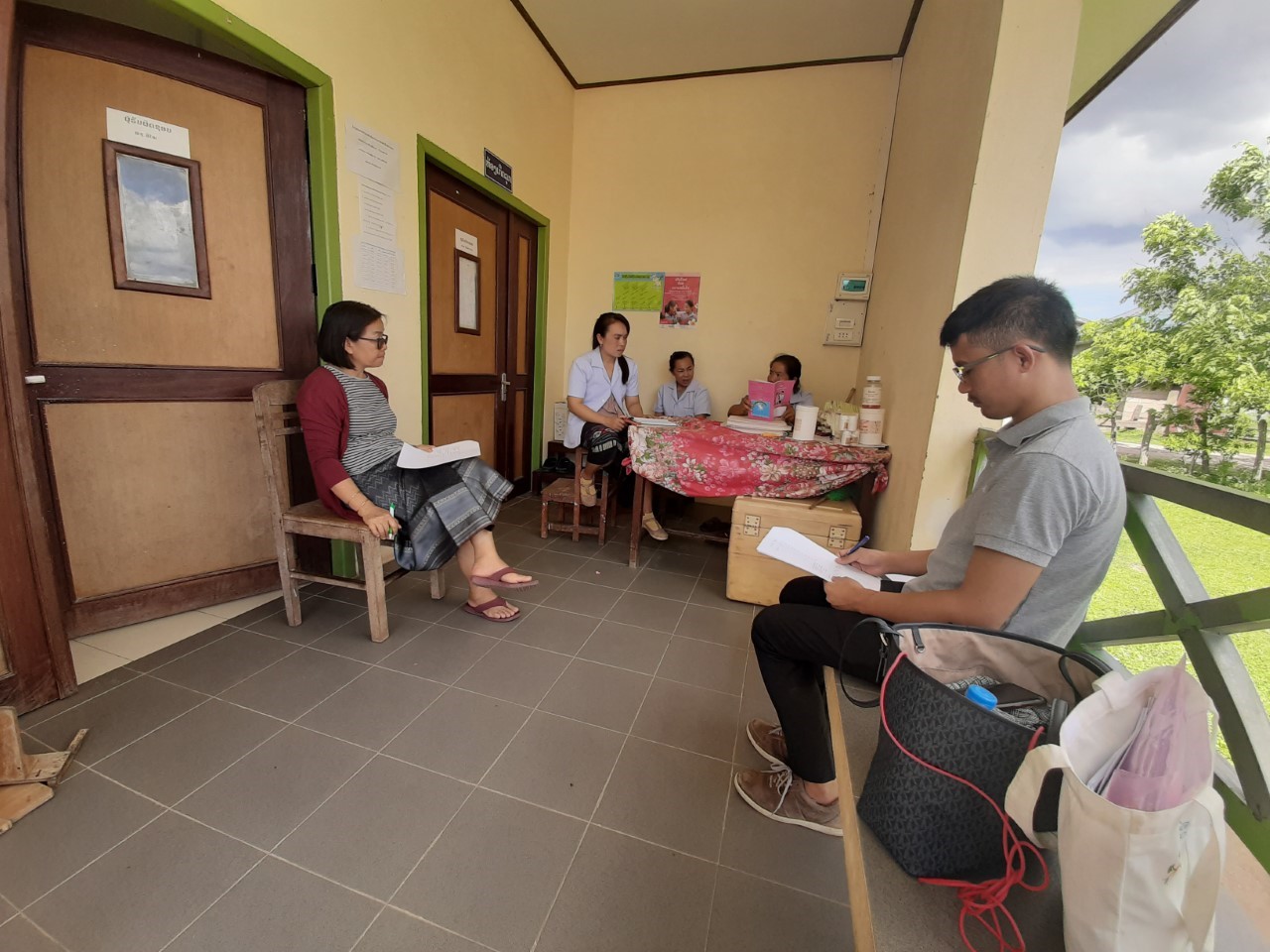
IRD/ECC has coordinated and worked with the University of Health Sciences (UHS) for developing the data collection tools (questionnaires) including the data collection plan related to the epidemiological survey proposal.
From the end of January to early February 2022, the UHS team conducted data collection in three districts of Savannakhet province (Thapangthong District, Phin District and Atsaphone District). The focal points of the survey were three district hospitals, 15 health centers and 45 villages in the catchment area of the selected health centers (three villages per health center). The target population of the survey included health providers, pregnant women, mothers of child under-two-year, adolescent aged 15-18 years, and general adult of their household.
In March-April, UHS with the inputs of IRD/ECC have completed the data analysis, and the epidemiological report.
ETHNOGRAPHIC RESEARCH
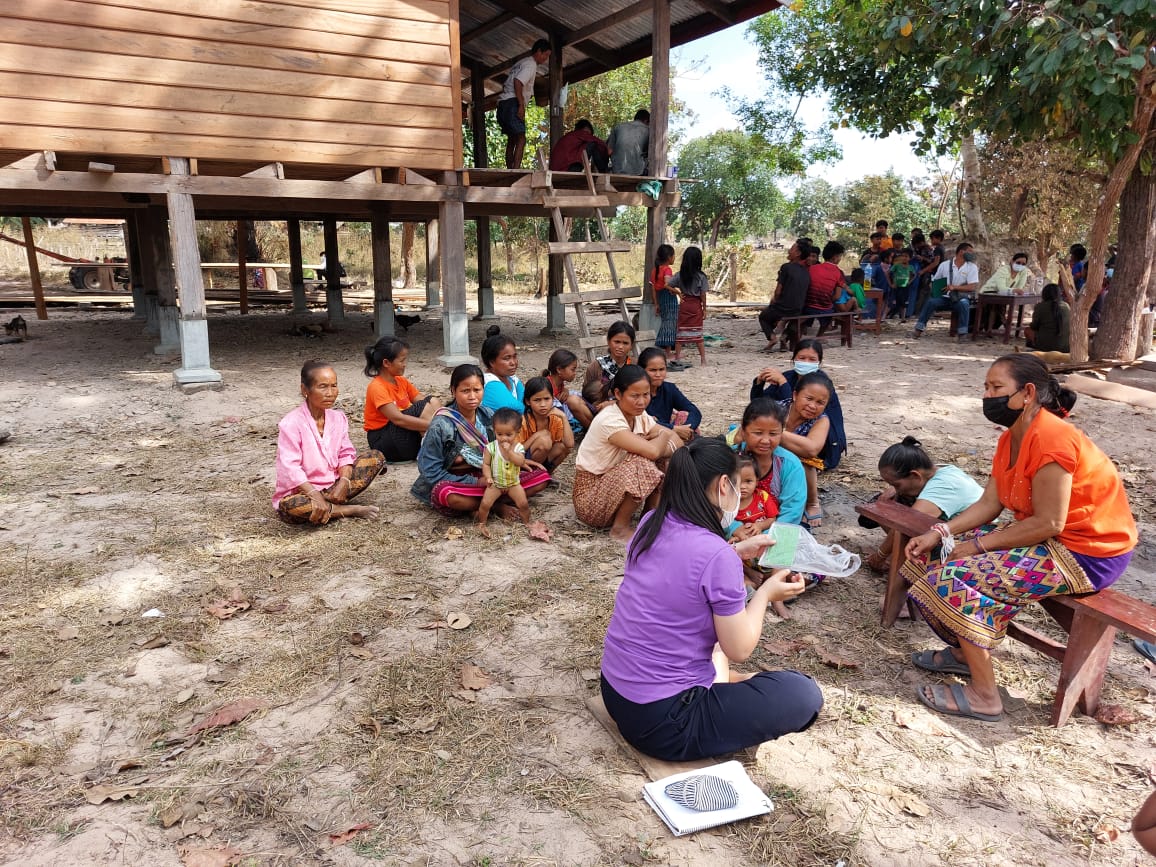
Based on the quantitative / epidemiological survey conducted in February 2022 with the objective to provide a baseline survey, the qualitative survey had the following overall goals:
- Provide a deeper investigation of some relevant issues identified by the epidemiological survey,
- Understand subjective experiences, beliefs, and concepts,
- Gain in-depth knowledge of a specific living context of the targeted communities,
- Explore under-researched problems and generate new ideas,
- Develop operational recommendations in designing intervention model including the Mobile Health Education Package (MHEP) to mothers, children, and adolescents in Phin and Thapanthong Districts that are consistent with the MoH strategy and policy.

The qualitative data has allowed the research team to complete the findings of the epidemiological survey and in particular regarding the knowledge, attitudes and practices of the communities. For example, the two teams have been able to collect a lot of data related to the traditional delivery in the village (forest, field), the traditional health practices and local health system which were not explained by the previous epidemiological study. Some key information related to the ways to disseminate the messages (video in Katang language, posters, etc) and deliver awareness campaign related to the three diseases have been collected and will allow the project to design an adapted strategy which fits with the population needs.
COOPERATIVE RESEARCH ENGINEERING
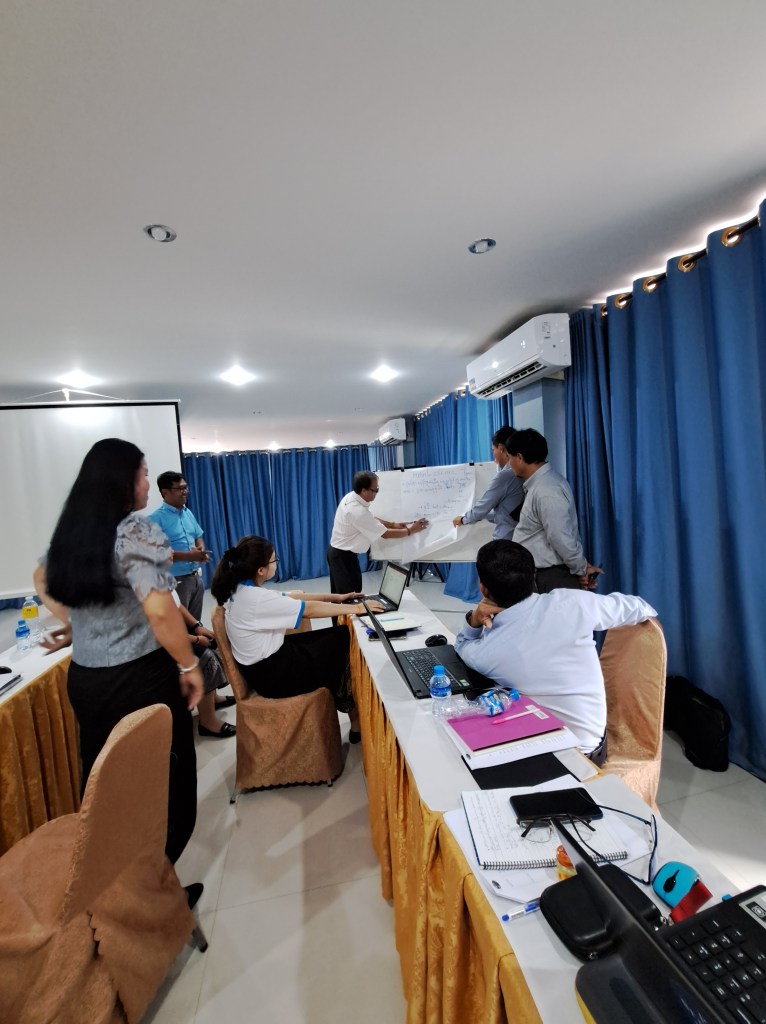
From 6 to 8 of July 2022, the HEALTH Project with its MoH partners (TB center, Malaria center, CHAS, MCH, DCDC, CIEH) worked together on the design of a Mobile Health Education Package (MHEP) based on the results of the Epidemiological survey. The main objectives were to:
- Review all the previous intervention program (contents) and communication materials (tools) from each center
- Identify topics and the tools to include in the Mobile Health Education Package (MHEP)
- Reflect and draft a design of the delivery/dissemination strategy based on the results of the epidemiological survey
[1] http://www.decide.la/files/en/atlas15/04%20Literacy%20and%20education.pdf
[2] http://www.decide.la/files/en/atlas15/05%20Health.pdf
[3] http://www.decide.la/files/en/atlas15/09%20Poverty.pdf
TEST OF THE MOBILE HEALTH EDUCATION PACKAGE (MHEP)
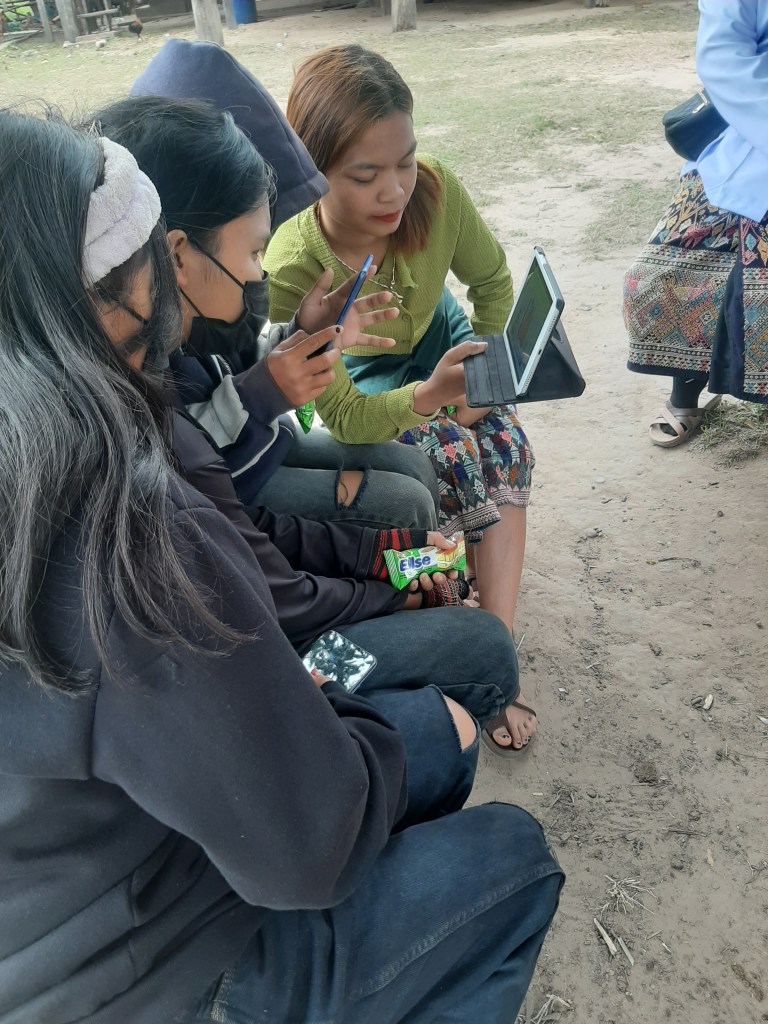
The test has been designed to capture responses to the materials of primary target audiences: villagers, pregnant women, women who have child/children under 2 years old and adolescents.
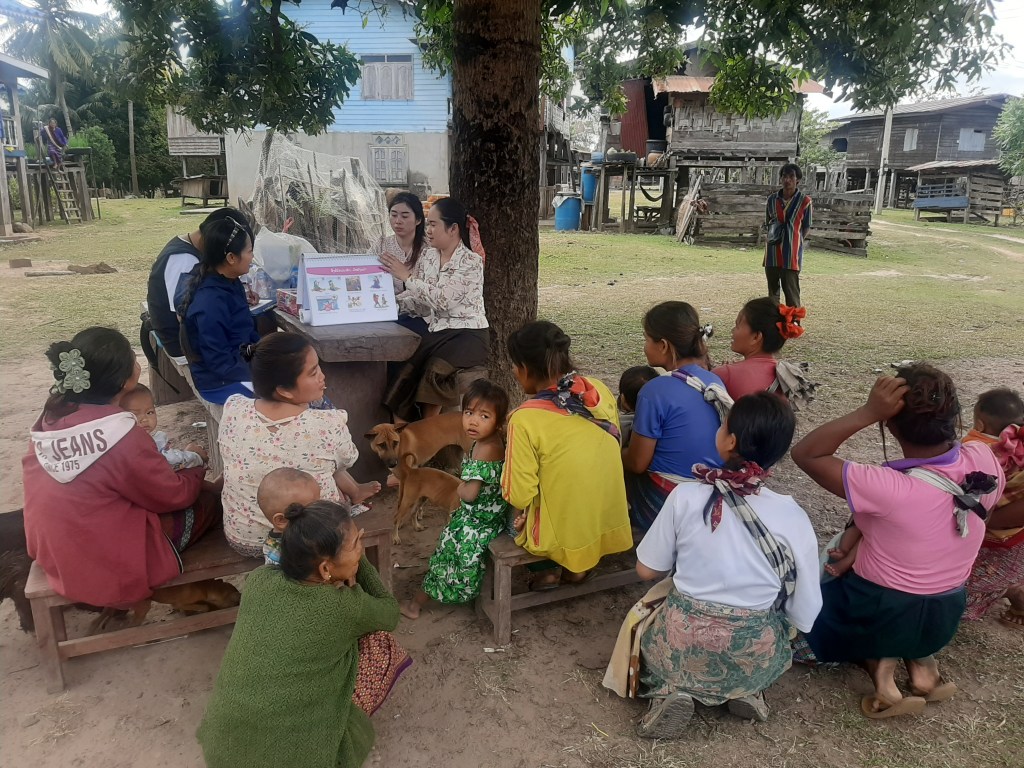
The materials provided by HI and tested in three Katang villages were flipcharts, videos, and poster referral for HIV, TB, Malaria, and MCH.
Groups of mothers, male and female adolescents, male and female young people, village leaders, health center staff and Village Health Volunteers (VHV).

People had a good understanding of the messages related to pregnancy, childbirth, breastfeeding, the food to give, avoiding smoking and working hard. Many women understood better about pregnancy, childbirth with the pictures of the flipchart.
MOBILIZE FORUM THEATRE TO ADDRESS HIV, TUBERCULOSIS AND MATERNAL HEALTH IN AN ISOLATED AREA OF SOUTHERN LAOS

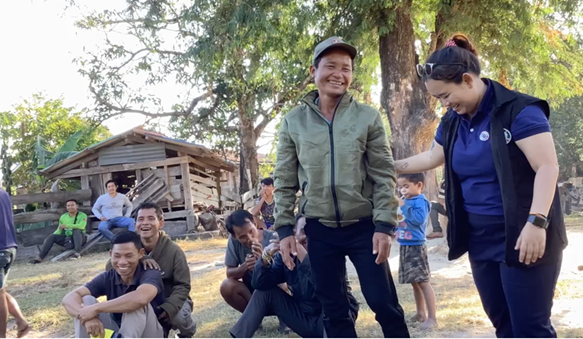
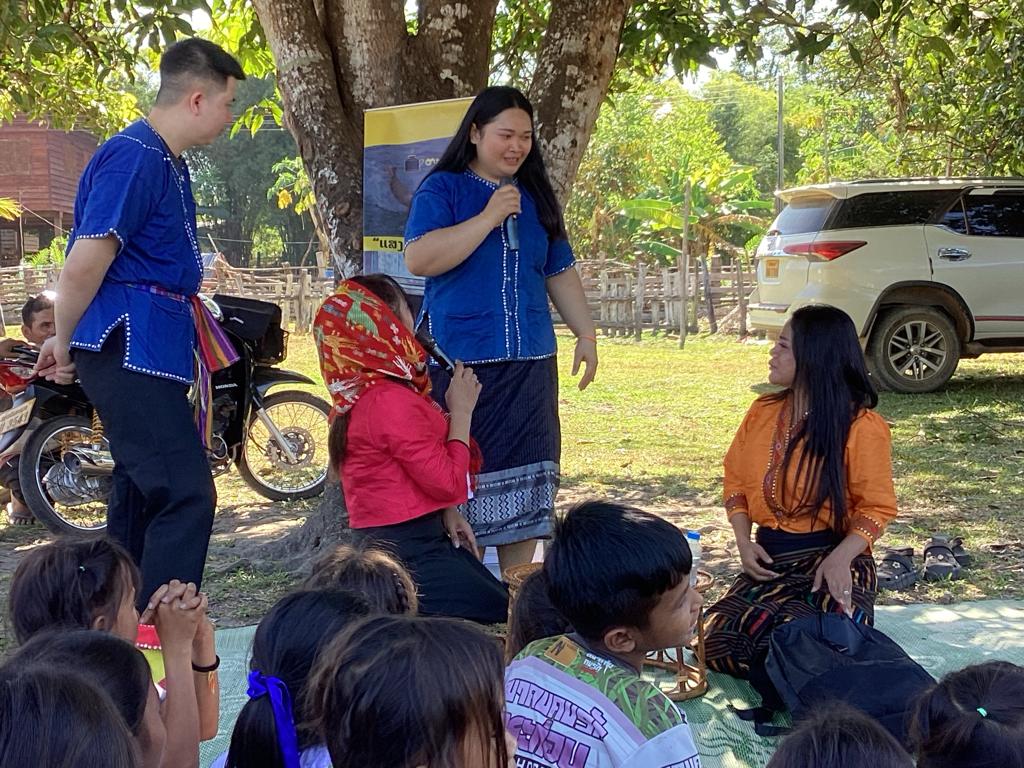
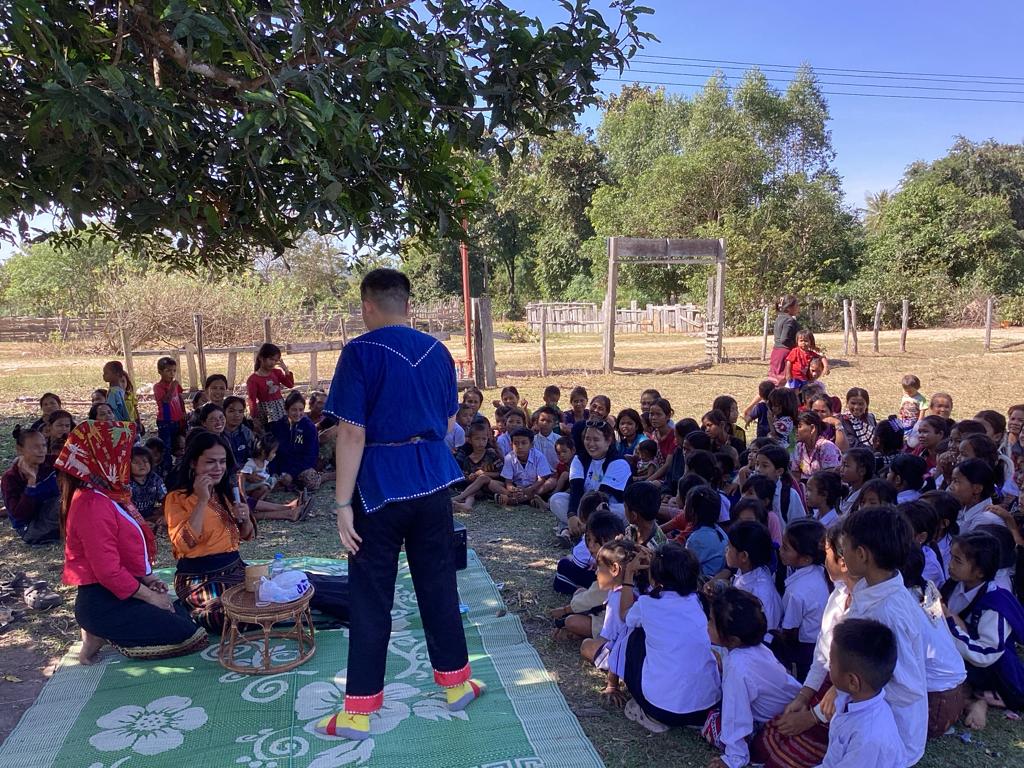
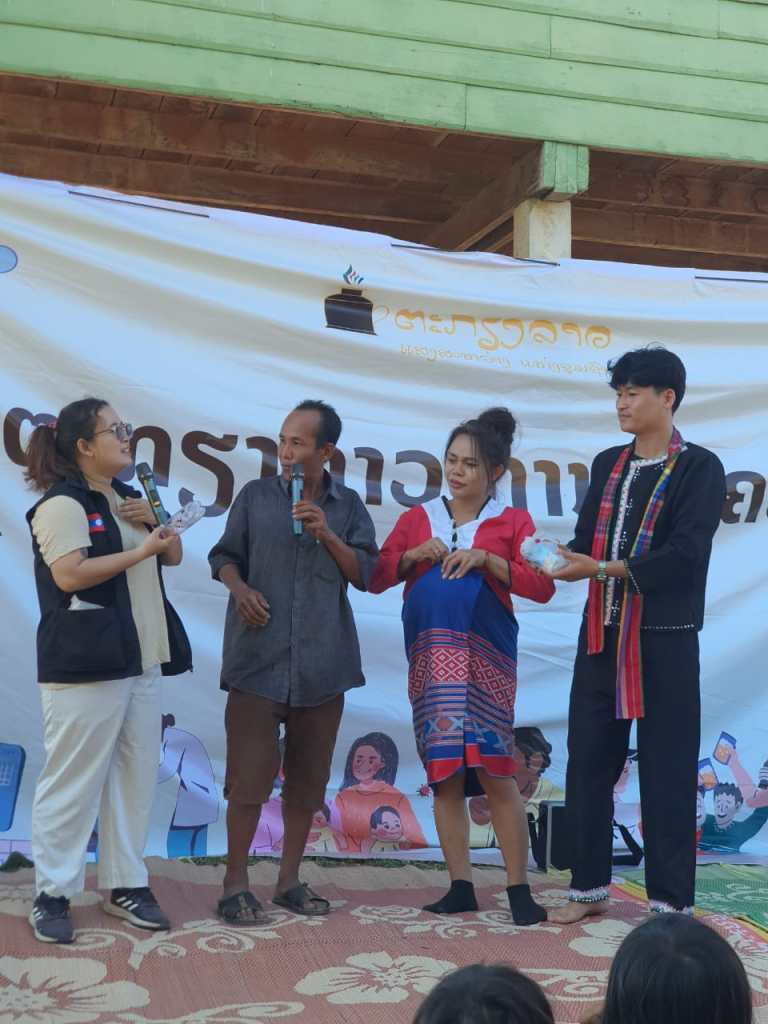
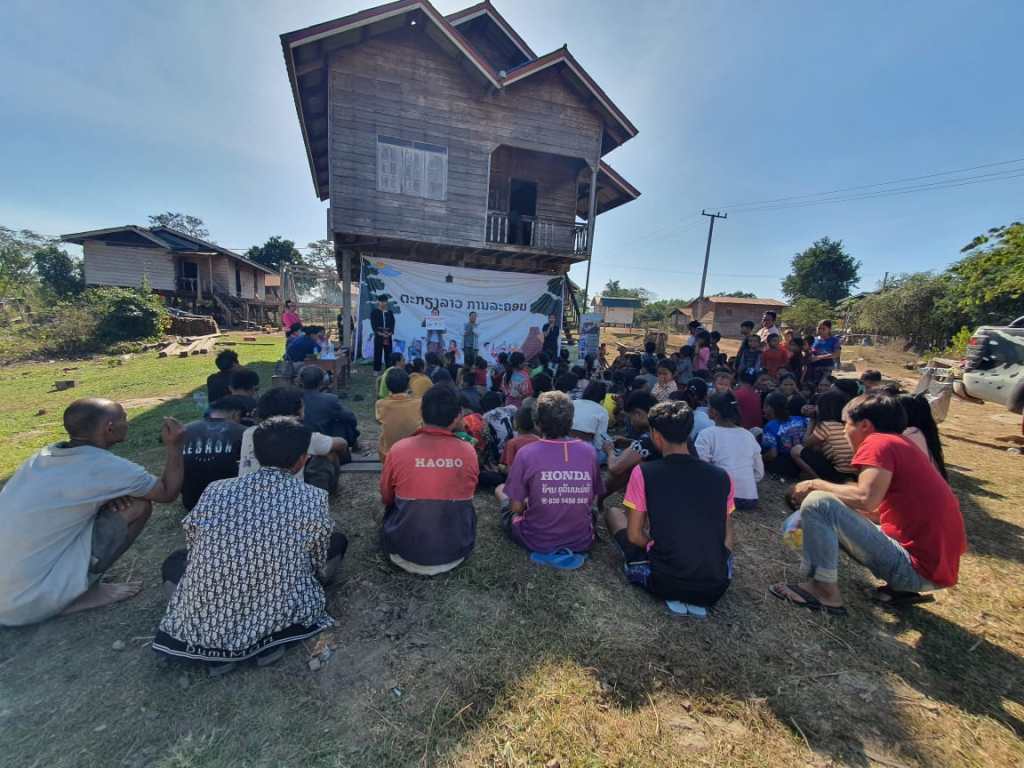
The HEALTH Expertise France project is the subject of various methodological innovations. One of these is the use of forum theatre, both as a means of collecting and producing scientific data. Forum theatre is a theatrical technique in which everyone (audience and actors) participates to talk about and collectively imagine alternative solutions to specific problems. Following the training of some junior researchers from the UHS, and the Takieng Lao theatre group in these practices, as well as the writing of scripts dedicated to the problems addressed, the experiment was carried out in very isolated villages in Southern Laos. These sessions show the validity of the method, with the active and enthusiastic participation of the villagers, but also its limits and the issues at stake, i.e. all the inequalities that affect access to healthcare for vulnerable people in Laos.
Forum Theatre gathers a community around a situation of their everyday life which raises problematic issues, and uses theater as a laboratory for social change. In its traditional format, a short theater scene is scripted and performed by actors in front of an audience, and is then repeated a second time. During the second occurrence, audience members are invited to provide their input and to suggest solutions to what may have appeared problematic or questionable. They thus become themselves actors, as they are invited to implement their ideas on stage. The choices they make to shift the scene are then discussed within the audience, making Forum Theatre a change-making, solution-oriented and empowering initiative.
In December 2023, forum theater was used by IRD/ECC with Takieng Lao, a local theatre Company, in 10 villages. In each village, Takieng Lao performed 3 short stories about HIV, TB and MCH in order to interact with villagers and help the research team to better understand villagers’ knowledge, attitudes and practices related to the HIV, TB, and MCH issues.
LIFE STORIES
One recommendation of the MHEP test report is to give a stronger emphasis on the local experiences in the MHEP with the assumption that people would listen more to advocates from their own community, and authentic voices of experience. Most people are not driven by facts but by powerful stories. It was recommended to create and insert stories in the MHEP.
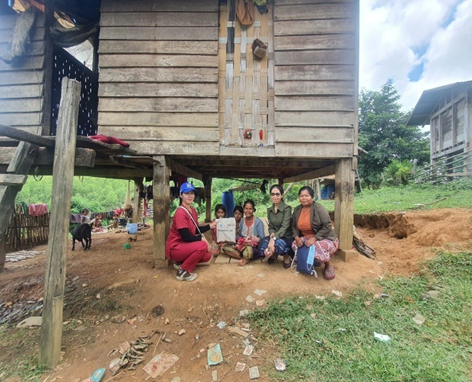
Following this recommendation, IRD/ECC started to work with some villagers to develop their life stories around TB, Malaria and MCH issues. The life story of a person is all the things that happen to her during her life or a period of her life. By telling their life stories, villagers contribute to helping other people to better understand HIV/AIDS, TB, malaria, and MCH care, and the ways to protect themselves from these diseases.
The activity was prepared and conducted by IRD/ECC from July to June 2024 in some target villages in Phine and Thapangthong districts.
Some of these life histories can be listened in the Testimonies.

SCIENTIFIC PRODUCTION WORKSHOP

As a part of the HEALTH Expertise France project, the team of epidemiology researchers held a 5-day scientific production workshop in Savannakhet in December 2023.
The aim of Dr. Vanphanom Sychareun, Dr. Kongmany Chaleunvong, Dr. Viengnakhone Vongxay and Dr. Souksamone Thongmixay was to write scientific articles on the results of epidemiological surveys carried out in the districts of Thapanthong and Phine in Southern Laos. The results cover a range of issues, including mothers’ access to family planning, antenatal care and childbirth in rural areas of Savannakhet province, and knowledge of and access to rapid diagnostic tests for HIV, tuberculosis and malaria among pregnant women living in rural areas in this region.
 HEALTH Project